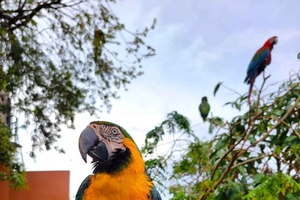
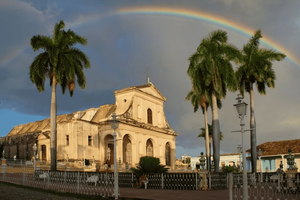
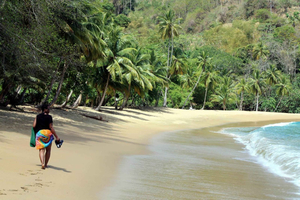
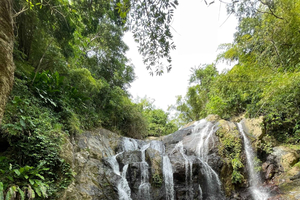
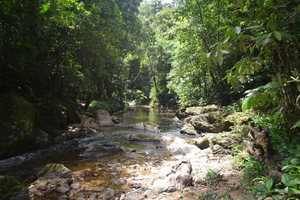
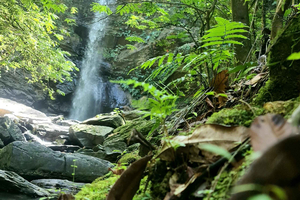
If you’re thinking about guided walks in Trinidad and Tobago, you’re in for some real treats beyond just the usual beaches. Imagine wandering through the Asa Wright Nature Centre early morning as the birds perform their dawn symphony,guided by someone who knows exactly where the elusive oilbird nests. Or picture exploring the colonial streets of Port of Spain, where your guide shares stories behind faded storefronts and hidden murals you’d never spot on your own.
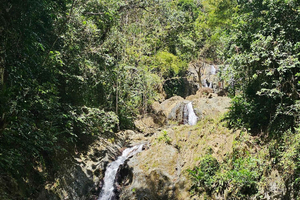
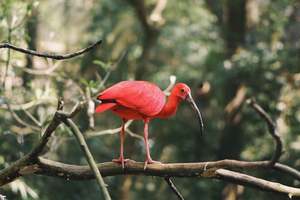
Trinidad’s Caroni Swamp is another classic spot. A boat and walk combo tour here can get you close to the scarlet ibis in the late afternoon when they come home to roost. And in Tobago, the Main Ridge Forest offers guided rainforest hikes where the locals will tell you not just the wildlife, but the folklore attached to ancient trees. Heads up,these walks can get muddy, so shoes you don’t mind getting dirty are a must.
Something I always recommend: book your walk through small operators or local guides. Not only do they care a lot more, but you’ll often learn stories or insider tips you won’t find listed anywhere online. Oh, and if your guide mentions the “pekak” trees ,don’t just nod, ask about the legend behind them. It’s pretty wild.
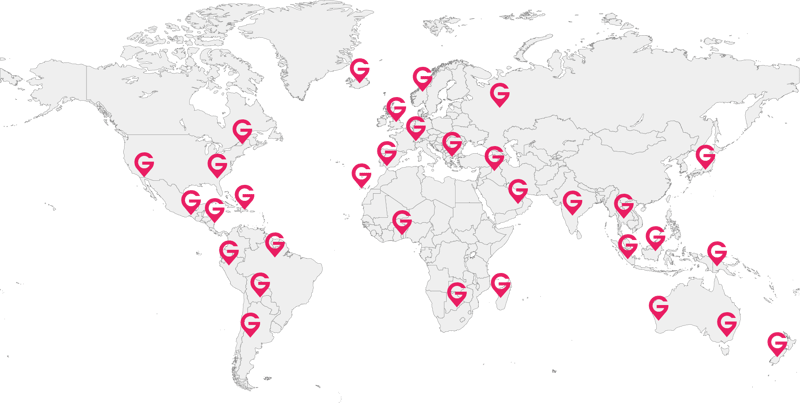
🌍 Part of the My Guide Network180+ destinations worldwide
If you’re serious about getting something special out of a guided walk, skip the big tour companies and dig a little deeper. I’ve often found the best stories and unique sights come from guides who grew up in the very areas you’re exploring. For instance, I once took a walk around the Laventille neighbourhood in Port of Spain with a local youth guide who shared candid tales of street art, local music, and community projects. Totally changed how I saw the city.
Also, bring cash,some smaller guides don’t take cards. And don’t be shy about asking questions. These walks are much more than just a stroll; they’re like a conversation with the island itself.
Frequently Asked Questions
Got questions about guided walks in Trinidad and Tobago? Here’s what locals usually get asked.
Most guided walks here cater to all levels. Some trails, like those at Asa Wright, are pretty easy and well marked. But if you’re new to hiking, just ask your guide about the difficulty before booking,some routes can get steep or slippery, especially in the rainy season.
Honestly, anytime except during heavy rains is good. Birdwatching’s prime between December and April when migrants pass through, but if you want to avoid crowds, try the shoulder months. Early mornings are always the best for wildlife spotting.
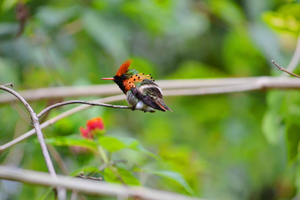
Most guided walks don’t require permits since the guides handle the logistics. Just wear sturdy shoes, bring bug spray, water, and maybe a rain jacket if it looks cloudy. And a camera,trust me, you’ll want to catch the hummingbirds zipping around.
Absolutely! Lots of operators offer combined tours, like birdwatching followed by a boat ride in Caroni Swamp, or hikes that end at local villages where you can try traditional food. Ask your guide for recommendations tailored to what you enjoy.
I’d start by checking reviews on local tourism forums or asking your accommodation for recommendations. The smaller, family-run outfits tend to be more authentic. If you have time, try to meet your guide ahead of time or chat briefly,they’ll usually be happy to share their passion.
Many are! For example, the day hikes at Buccoo Reef in Tobago or walking around historic sites in San Fernando can be adjusted for kids. Just check the length and terrain first,some rainforest hikes can be a bit intense for little ones.